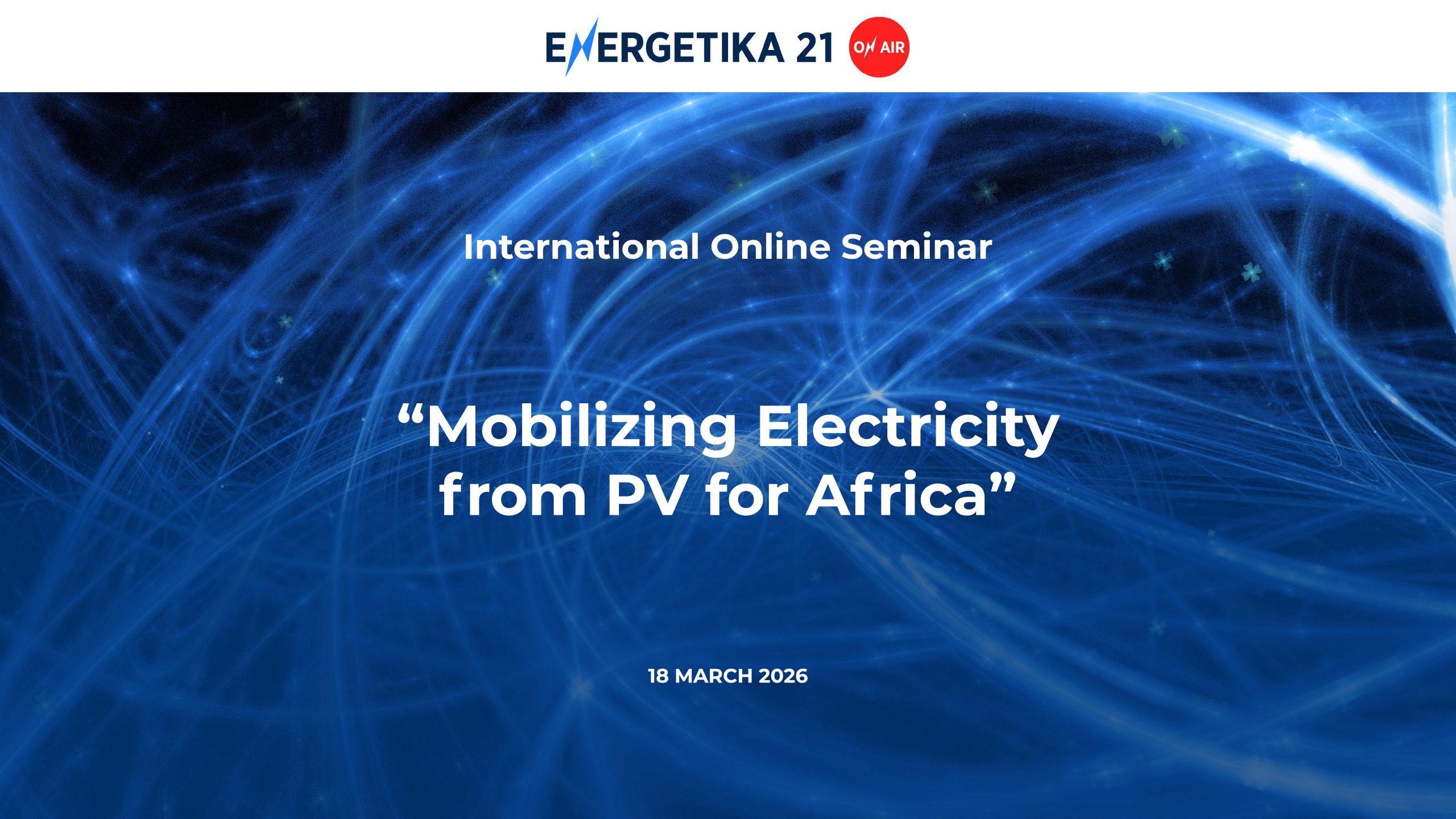
The online seminar “Mobilizing Electricity from PV for Africa” was held on 18 March 2026 in the format of two sessions and a panel dicsussion.
Globally ca 600 million people in Africa, mostly small farmers away from urban infrastructures have no access to electricity. In 2024 about 600 GW production capacity of PV cells globally were idle, corresponding to 1 kWp per people without electricity in Africa.
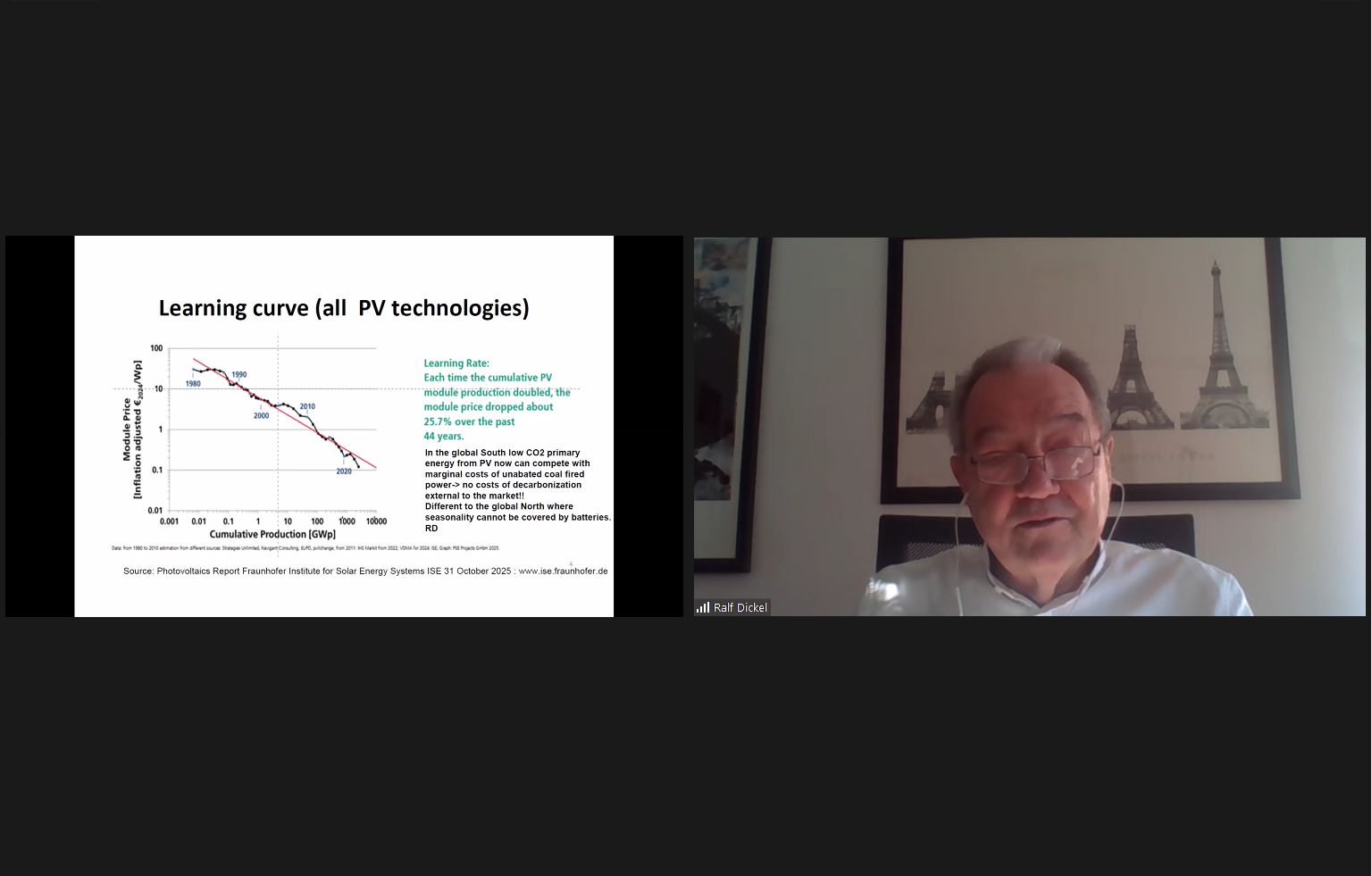
The extra-ordinary cost decrease for PV cells and to a lesser extent other electric appliances (batteries, but also pumps) suggests costs of power supply and application coming down to a level affordable for these people even allowing for a commercial profit. Further cost savings will be crucial for a quick roll out bringing electricity to all by 2050. Part will be a large enough market – as given by the Global South – to allow for further learning curve savings, but also a cost saving concept for small isolated power grids, including using DC instead of AC.
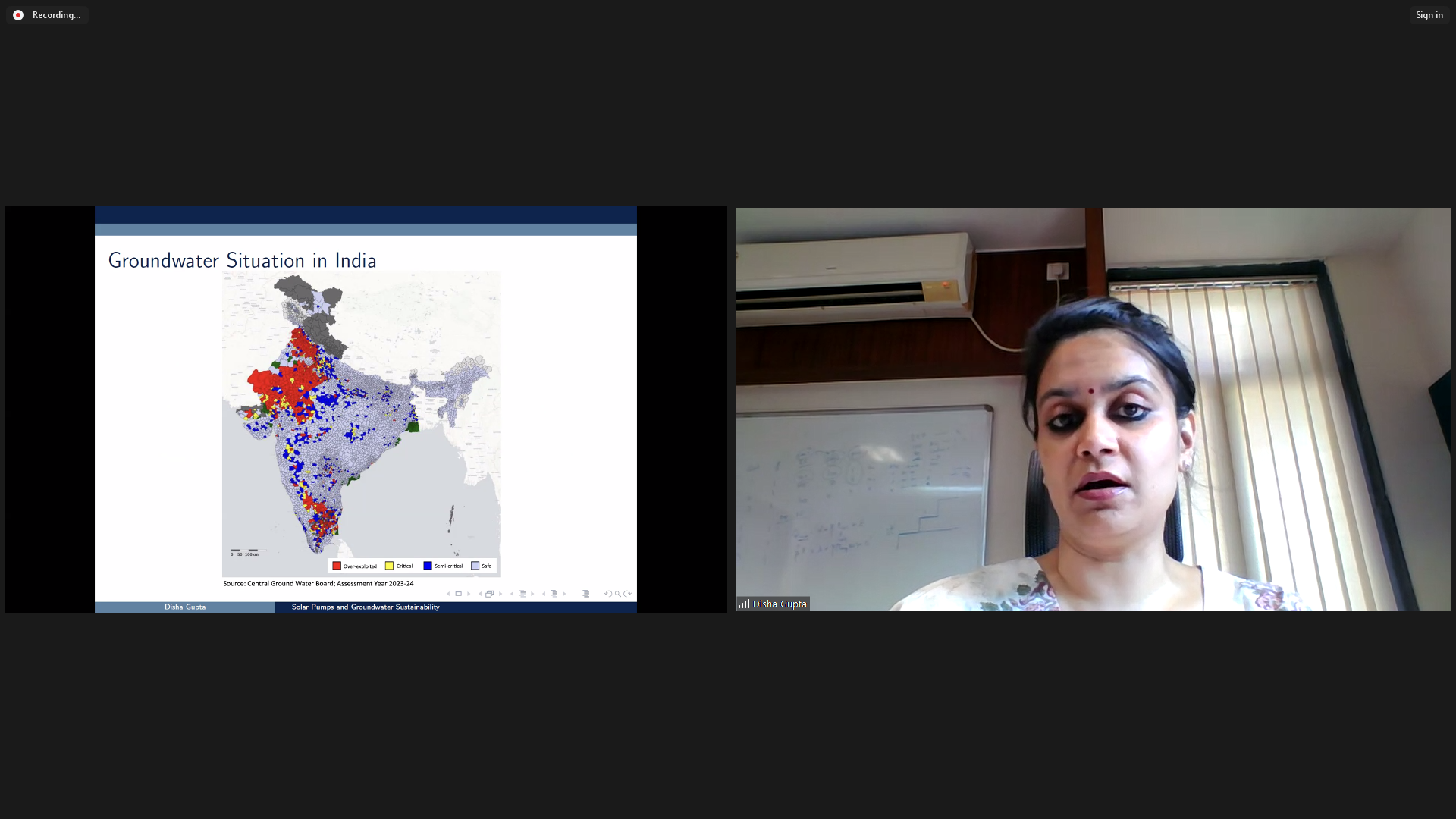
PV cells directly linked to irrigation pumps can substantially increase the yield and quality of food production, within the limits of prudent water management. PV with small local grids allows for better information, communication, food preservation and basic medical supply, having a high value for people resulting in a high willingness to pay. Both cases result in extra earnings to pay for all costs of PV with small grids inclusive of a commercial profit.
India has installed ca 500 000 solar pumps since 2010. In other regions this promising development is still at the start, although commercial viability allows for various business cases.
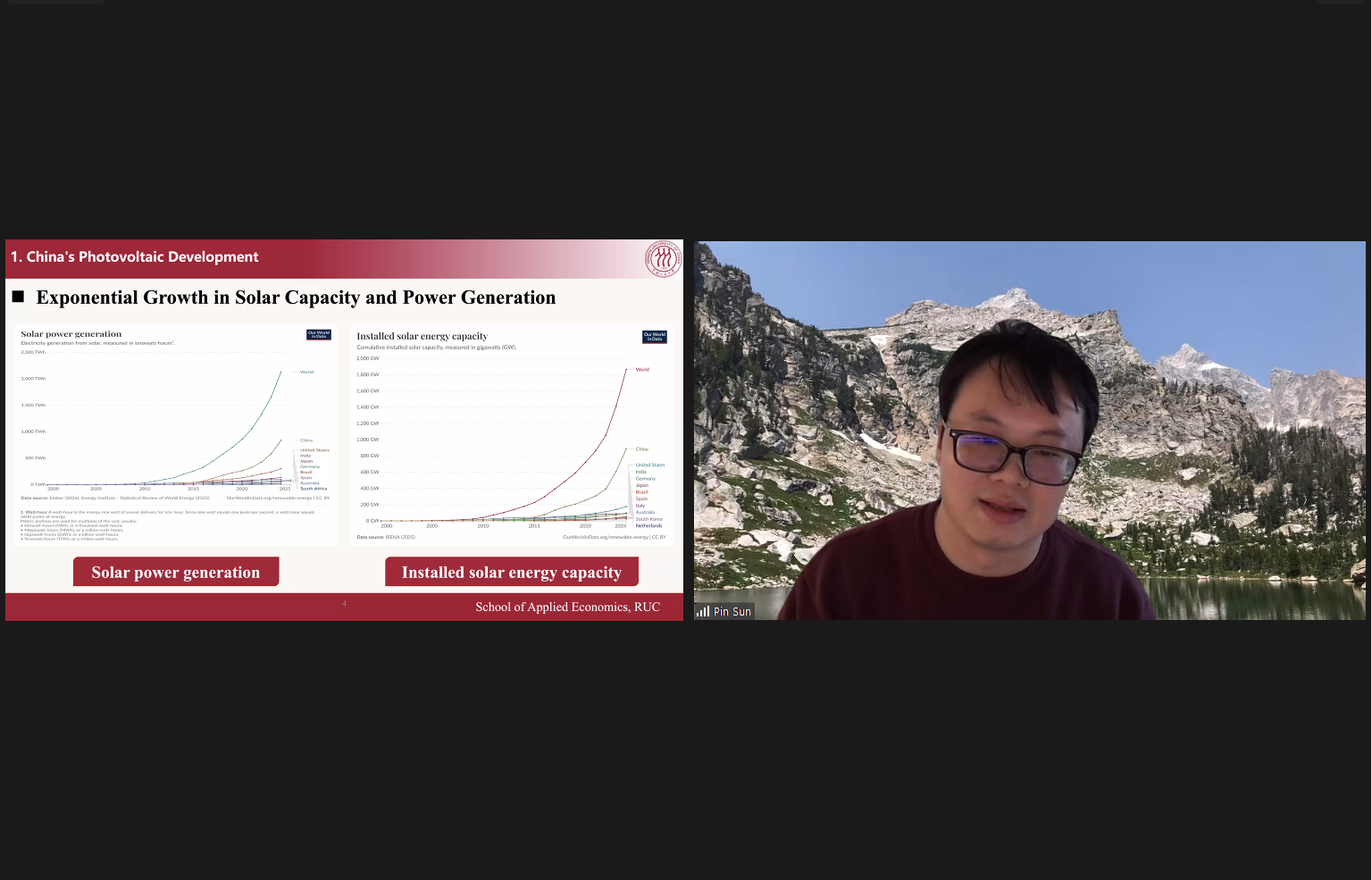
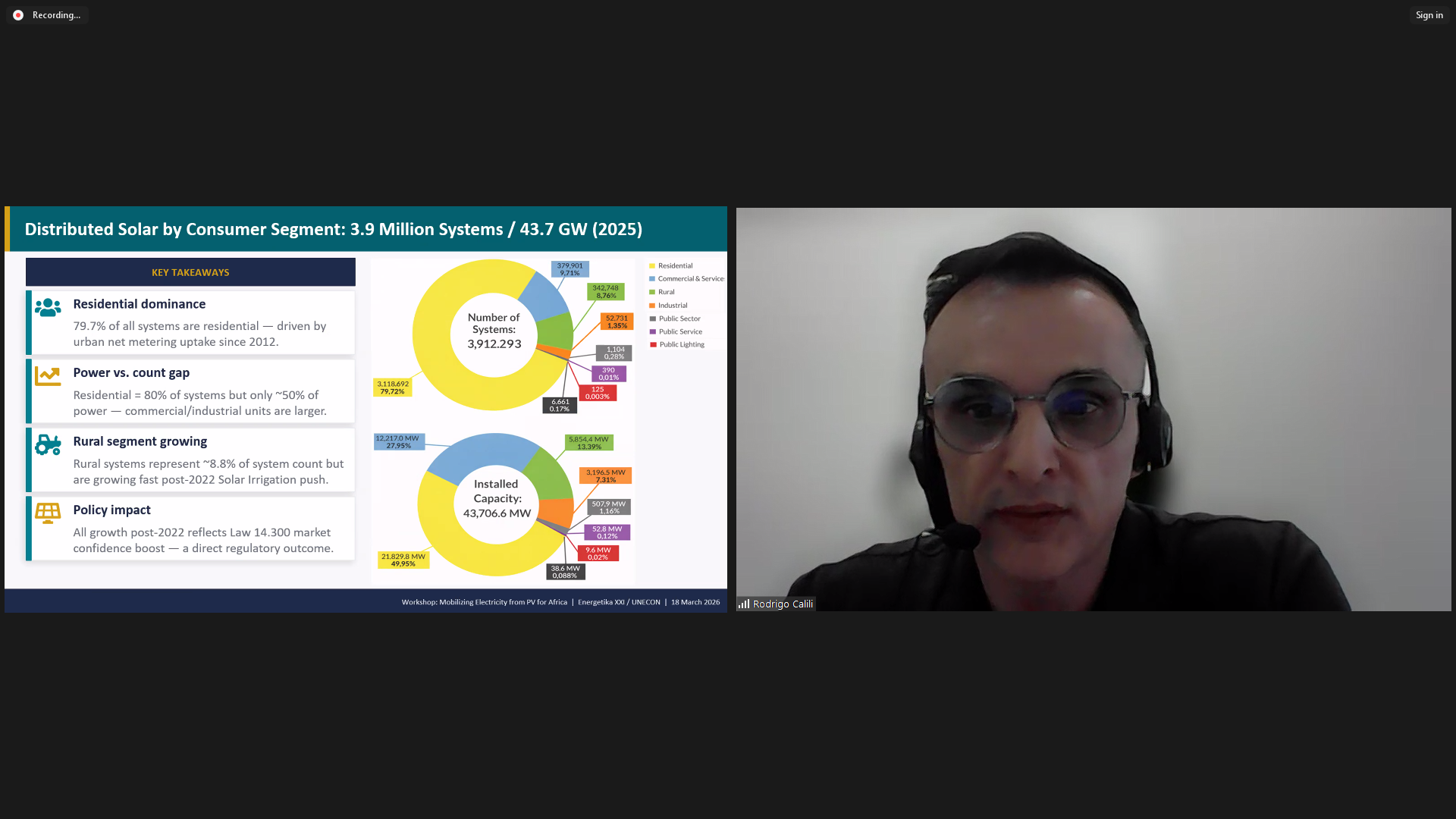
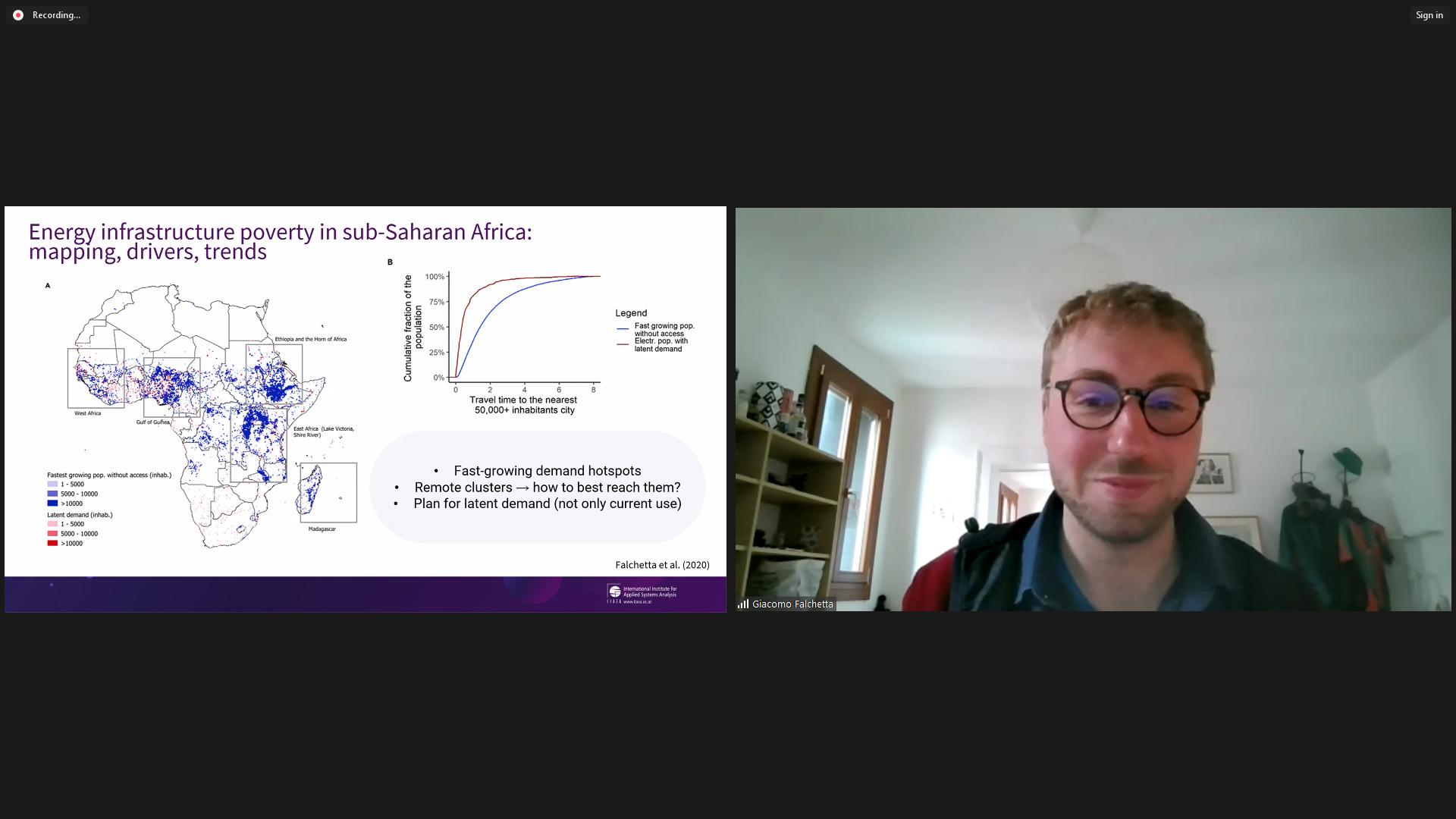
The first session highlighted main technical, economic aspects, potential and restrictions for a roll out of PV based irrigation and micro grids. The second session was devoted to existing examples and experience in BRICS+ countries and beyond. The concluding panel discussion addressed necessary technical and economic rules and possible business models.