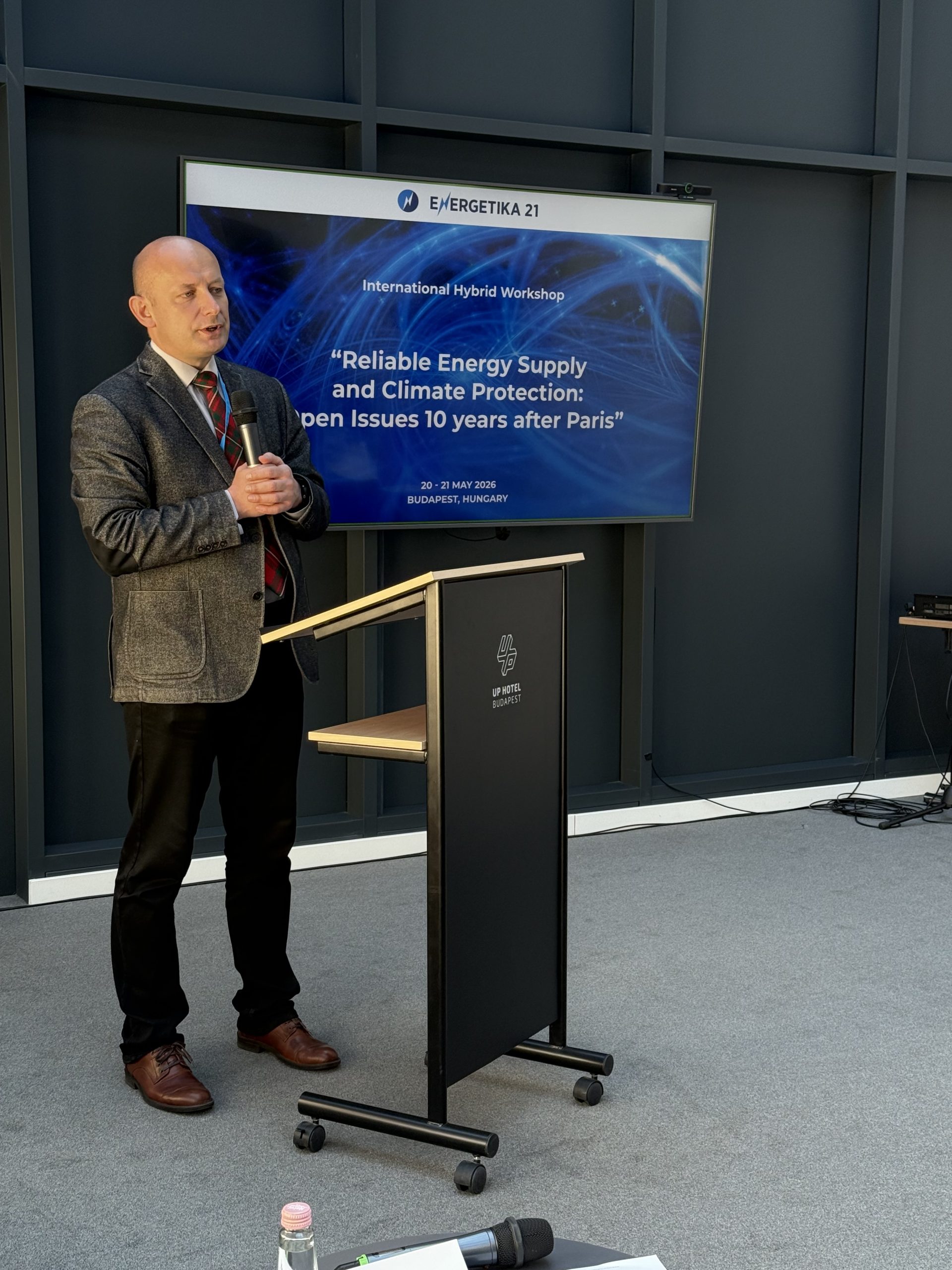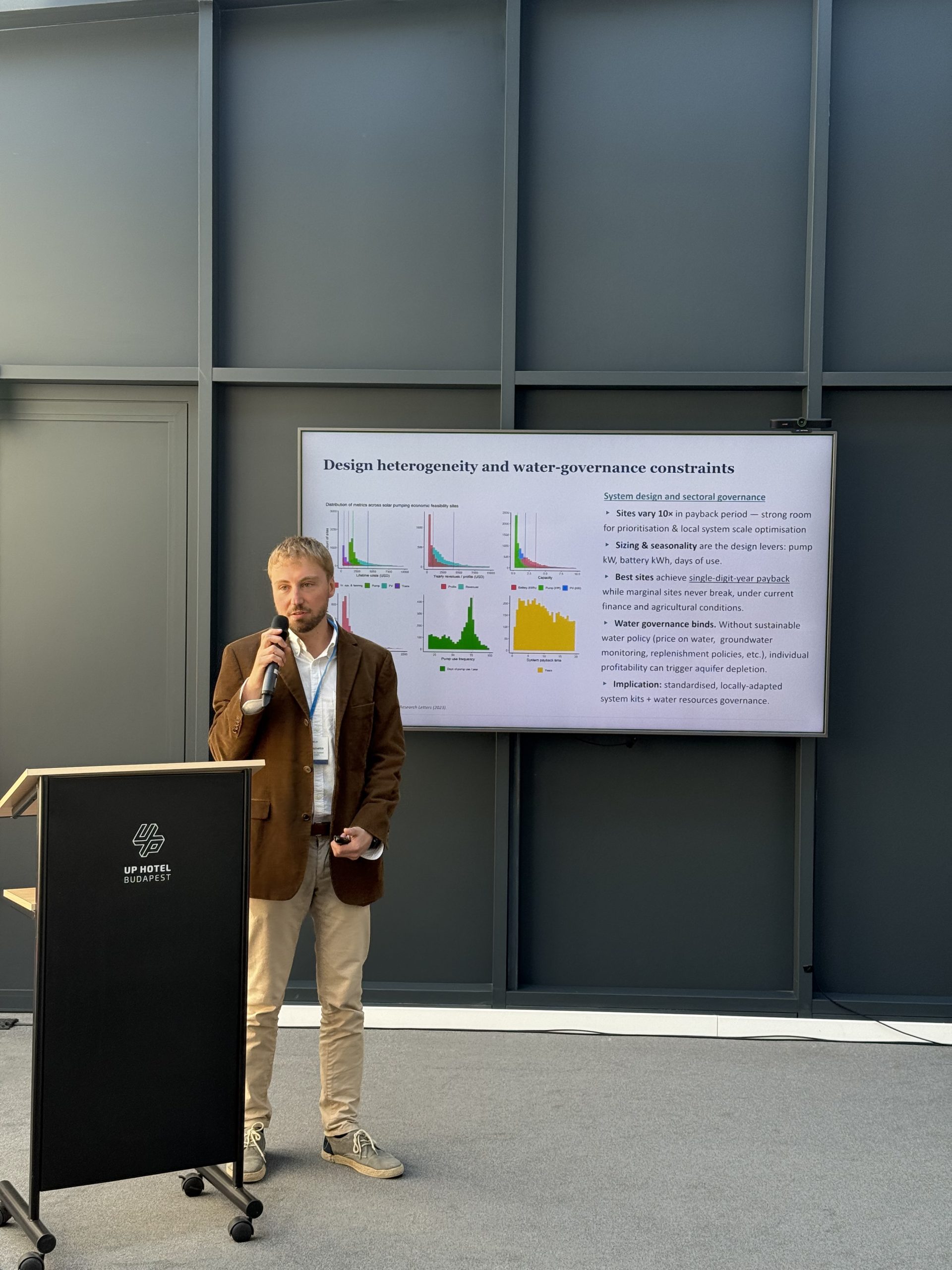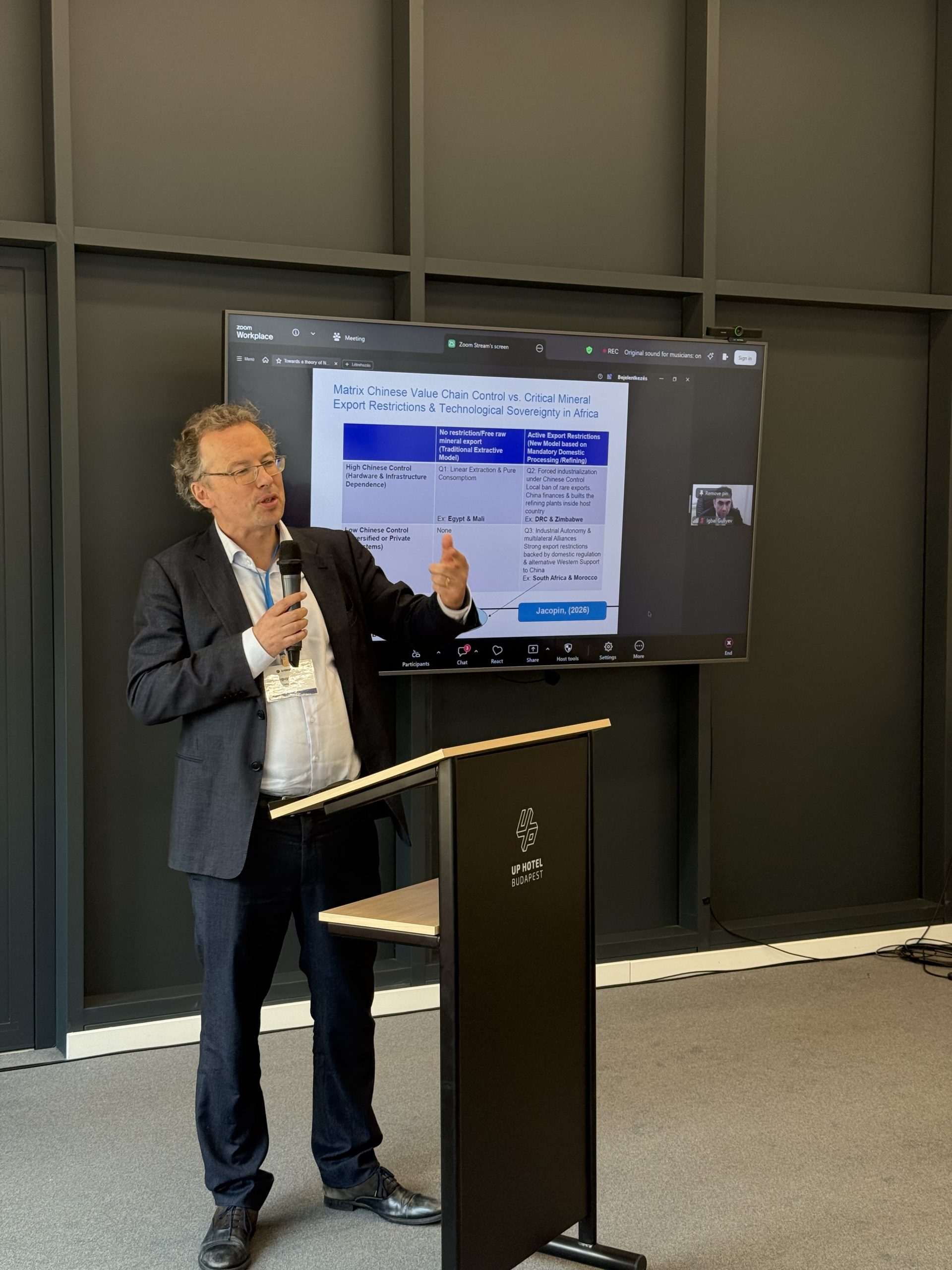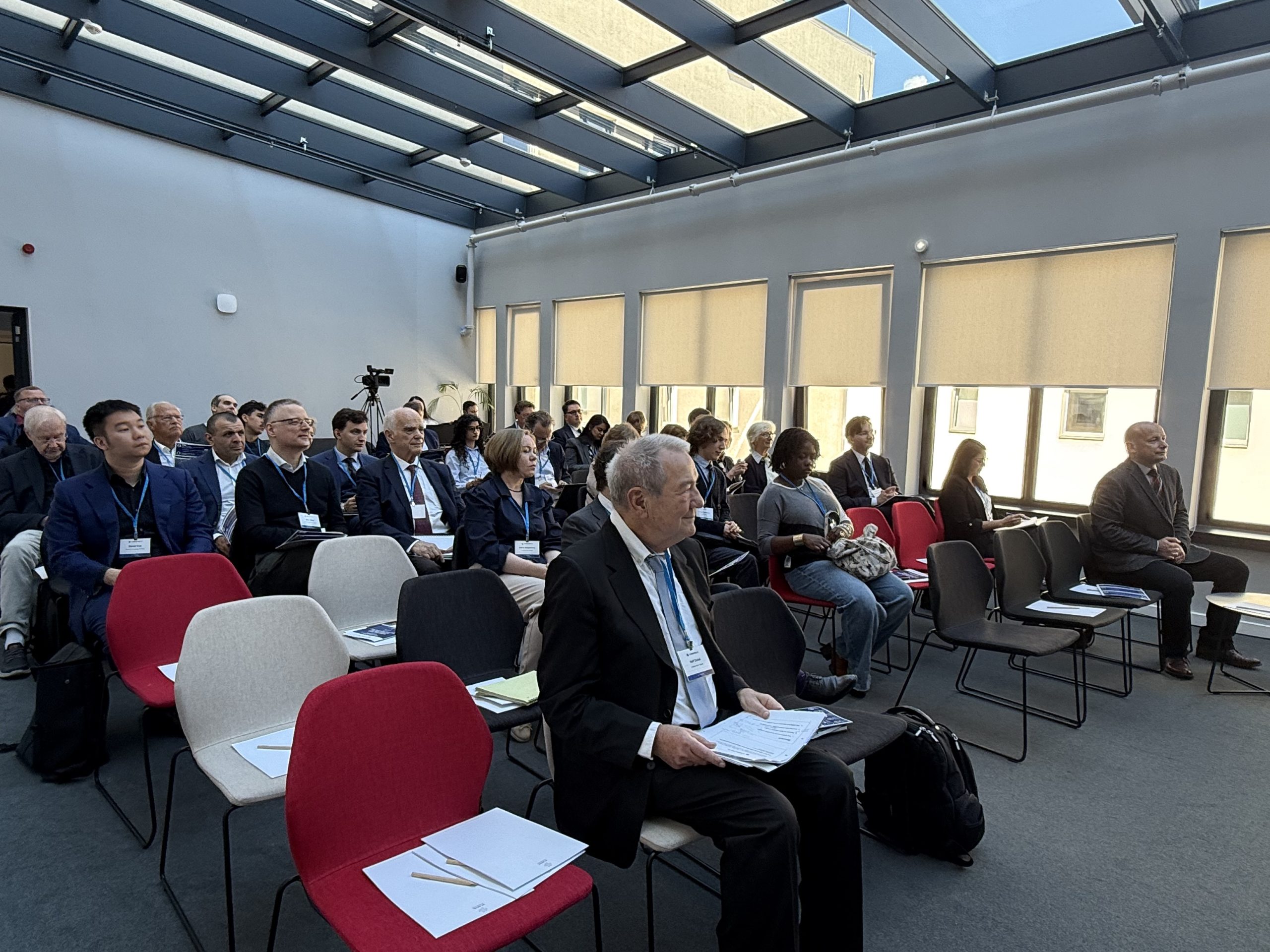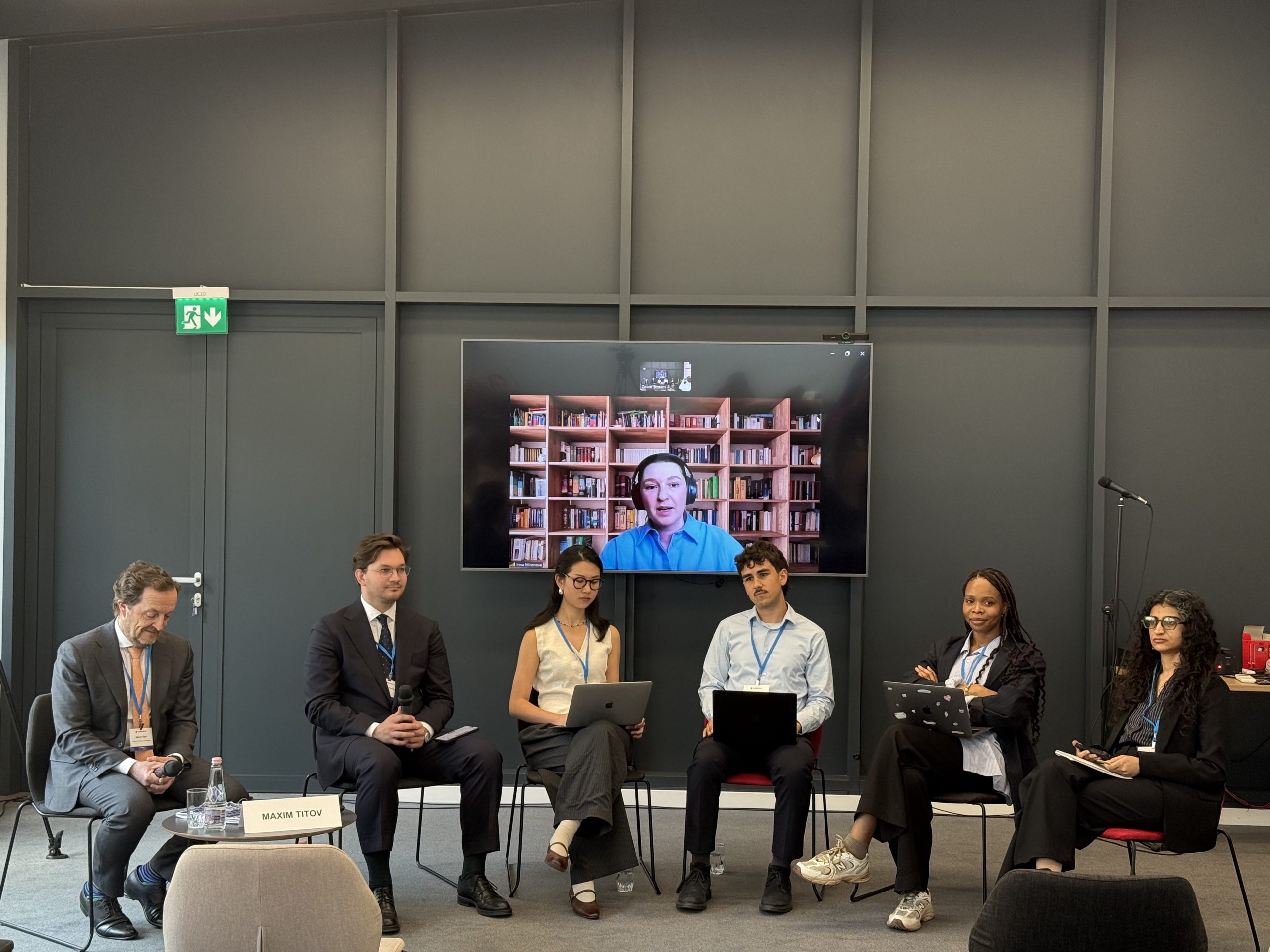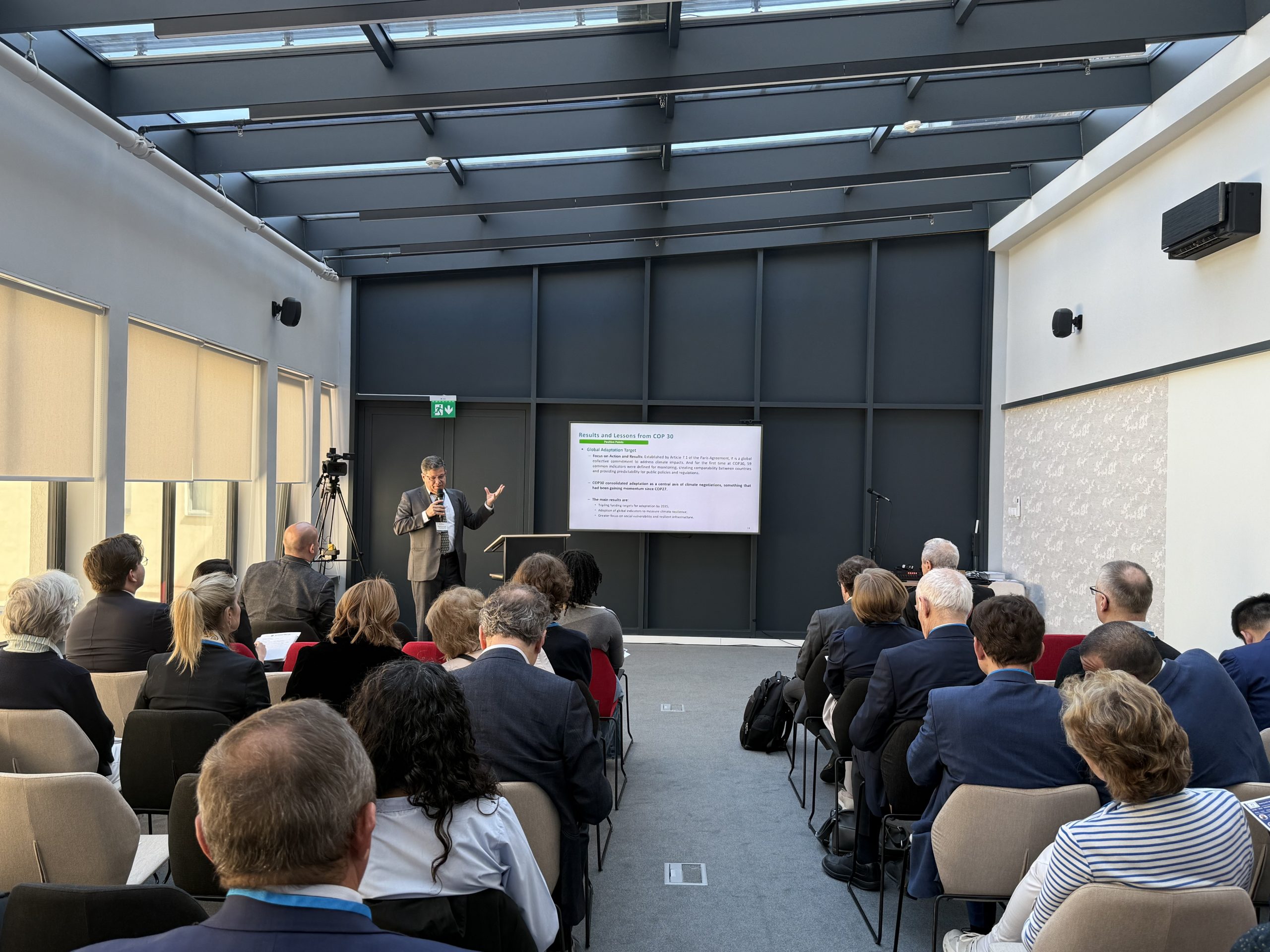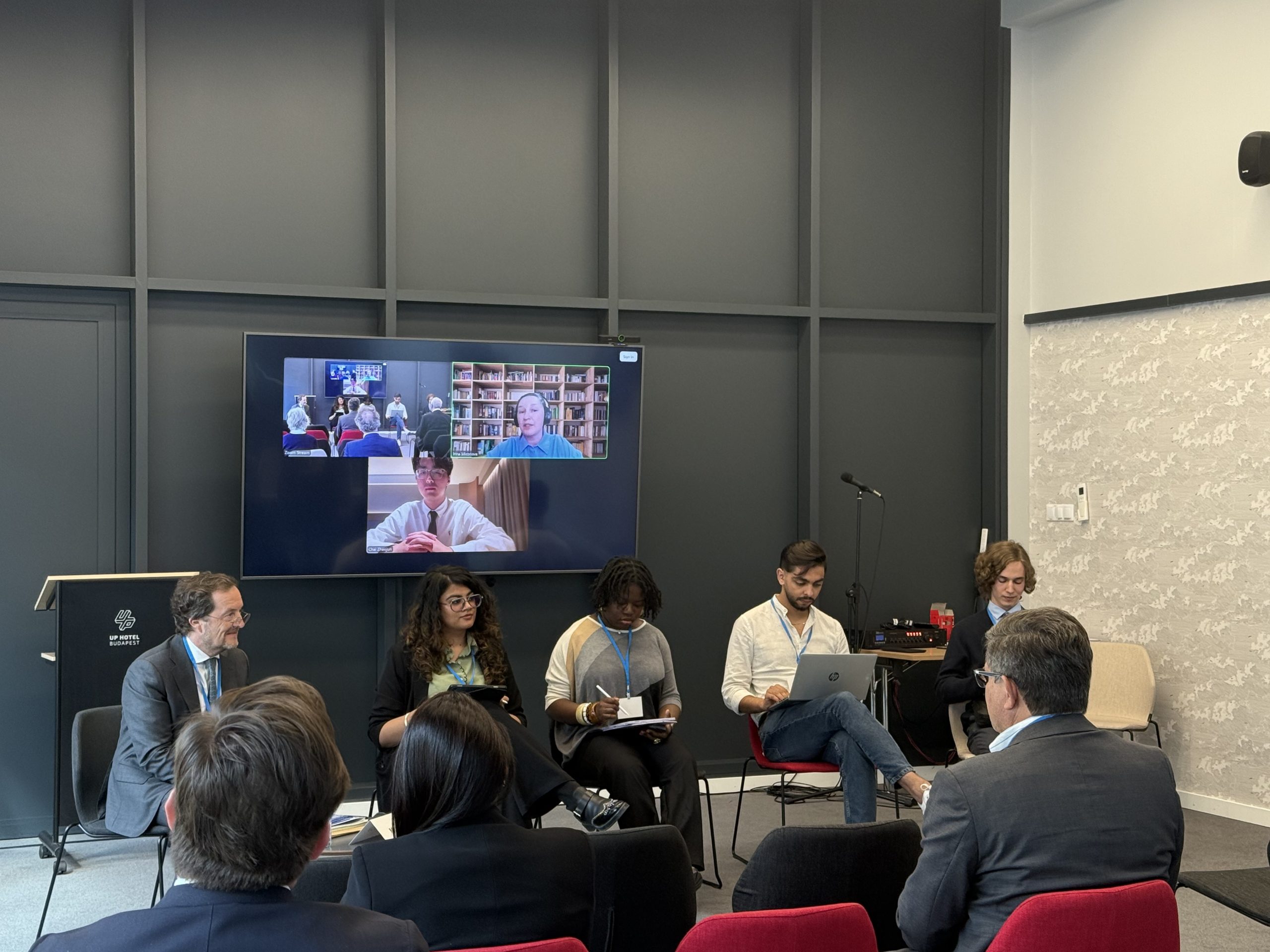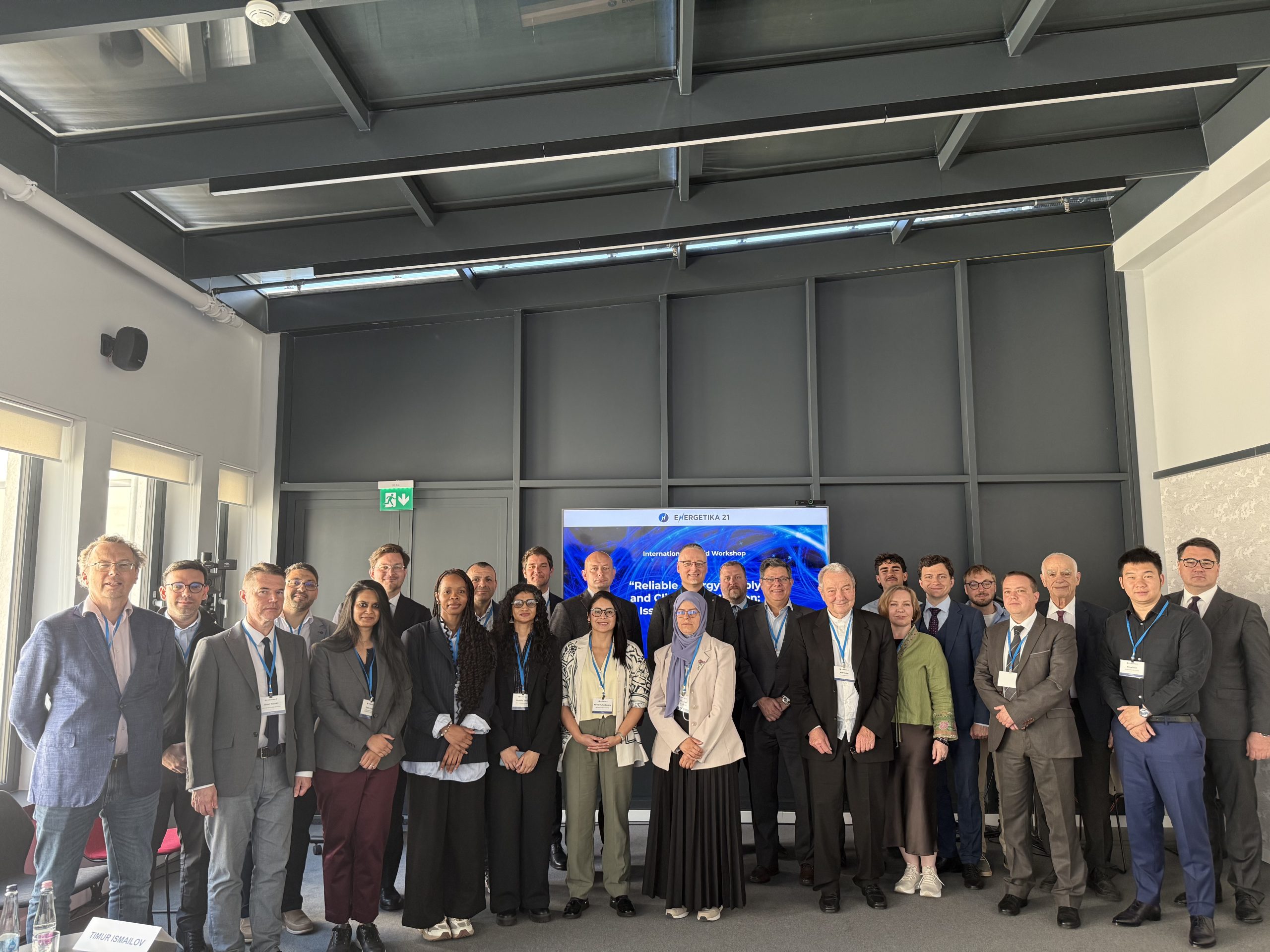
The International Hybrid Workshop “Reliable energy supply and climate protection: open issues 10 years after Paris” was held on 20-21 May 2026 in Budapest.
Background:
Ten years ago, the fight against climate change made a decisive step forward by concluding the Paris Agreement (PA) defining global procedures involving all countries. While progress has been made, major challenges remain, especially looking at the narrow time frame left. The renewed withdrawal by the USA in 2025 has — at least temporarily — weakened the process, while other developments have highlighted shortcomings of the present implementation of the PA. Total global emissions of Green House Gases (GHG) increased by 9.7% between 2015 and 2024. Many signatories of the PA did not submit their Nationally Determined Contributions (NDCs) in time and the implementation of the NDCs submitted would fail to reach the defined target of 1.5°C (agreed at COP 28) by more than 1°C. While the process needs including the major government and non-government stakeholders, the attempt to find compromises at COP meetings between thousands of public and private stakeholders entails the risk of passing over important elements of the global rationale needed to address the Climate issue.
— The IPCC report on 1.5°C shows how a scientifically derived remaining CO2 budget in combination with an approach of early decarbonization would allow staying within 1.5°C. This substitute of “Net Zero by 2050” promotes puristic policies like the complete phase-out of fossil fuels by 2050 instead of phasing out their GHG emissions asap.
— Mitigating global climate change by NDCs must be squared with reliability and availability of energy supply to all.
— Technology issues are focussed on renewable roll out, which will fall short of primary energy demand. Also, the large seasonal variations of energy demand will not be covered by renewables in the global North. On-demand energy supply will be covered by fossil fuels with CCS instead of renewables for decades to come.
— The reliance on NDCs as common but differentiated responsibility for climate protection between all PA signatories, ignores the profound differences between the Global North and the Global South. The countries of the Global South contribute only
minimally to GHG emissions, reflecting their low GDP, but need CO2-free growth to raise present and future living standards.
It is difficult to discuss these issues in the present COP process. ENERGETIKA offers a forum for such discussions. On day 1, the workshop looked at the chances to foster CO2-free economic growth in the Global South based on the impressive development of PV technologies. Day 2 addressed the technology challenges to decarbonize the existing energy infrastructure mainly in the North by CCS combined with renewables with large-scale storage of electricity.
Experts from Germany, Hungary, Russia, Chile, India, Brazil, China, Switzerland, France, UK, Spain and Senegal participated in the workshop offline and online.