
Background:
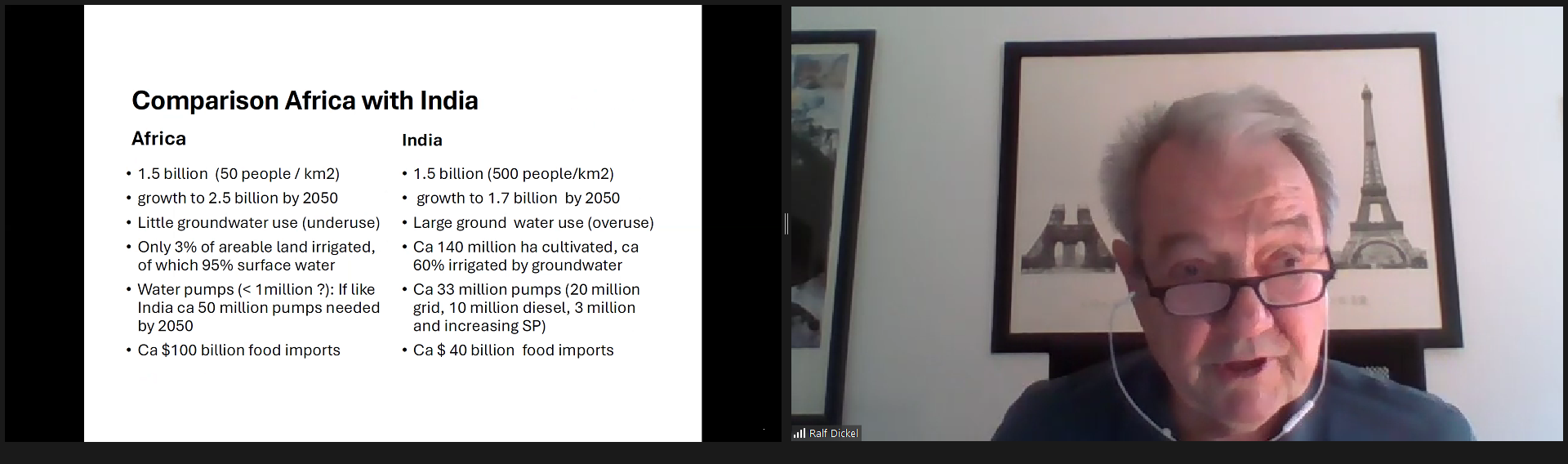
The population of Africa is projected to increase from today 1.5 to 2.5 billion people in 2050 raising questions of food supply and security. On the other hand, African agriculture production can substantially increase by improved irrigation. The discussions at the Energetika online seminar of 18 March 2026 and the workshop at Budapest on 20/21 May 2026 illustrated the potential of solar pumps for increasing yield and quality of food production and of PV cells for GHG free economic development in Africa. Experience from other regions illustrates that sound water management from the start is imperative.
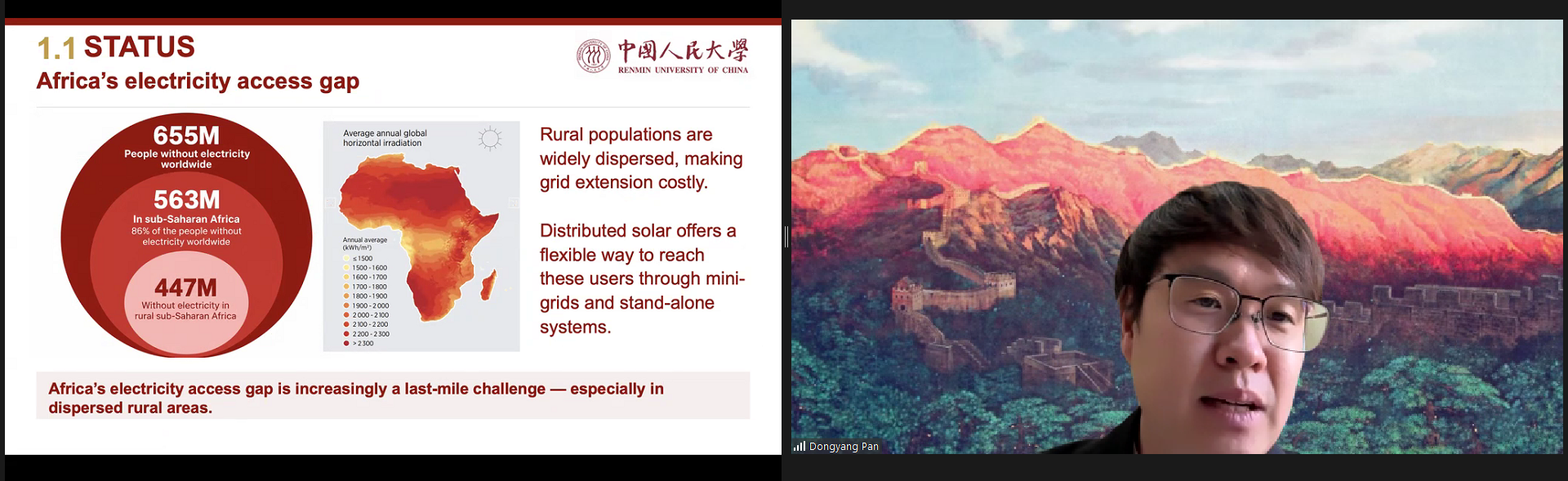
Global idle PV cell production capacity of more than 600 GW PV / year can provide access to electricity for all 600 million African people so far without it, while costs of PV cells continue to fall following the learning curve so that their application becomes increasingly economically viable, first as solar pumps for increased food production followed by mini grids to improve quality of life. This suggests a potential roll out to reach hundreds of million people in rural Africa, but the following obstacles must still be overcome:
(i) High financing costs resulting from largely unjustified risk perceptions. This raises the question what instrument / facilities Development Banks could provide to bring interest rates down to a justified level and to initiate and achieve a roll out of solar pumps and PV for all of Africa by 2050.
(ii) Aggregation of demand for solar pumps is needed to warrant their large-scale import. On a national basis the distribution of a large number of solar pumps inclusive of support has to be managed as well as the pay back of the investment based on extra agricultural product.
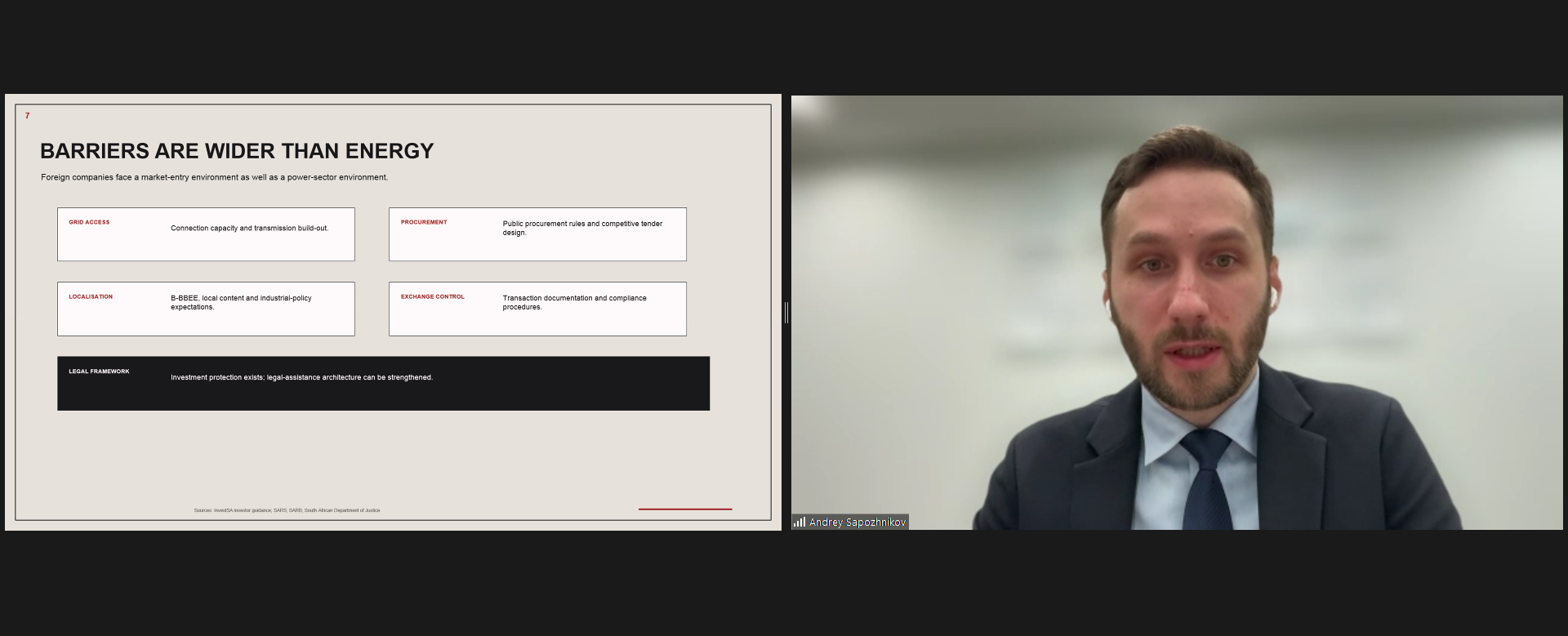
(iii) A framework for commercial transactions: secured payback for investment, a mechanism to cover risks of agriculture and protecting commons like water sources on a national level and across Africa.
Contrary to infrastructure investments which improve the overall economy which can only be collateralized by the government, solar pumps produce a marketable surplus product which can serve as a collateral for the investment based on a commercial cycle.
A major issue is to engage Governments and Development Banks in supporting policies for a roll out of solar pumps, even when already commercial, by overcoming unjustified risk perception. This might be done by Government support for the aggregator function and by handing out loans at commercial conditions for financing the initial roll out. PV with small local grids improving quality of life should be added as soon as the improved income situation from agricultural income allows for it.
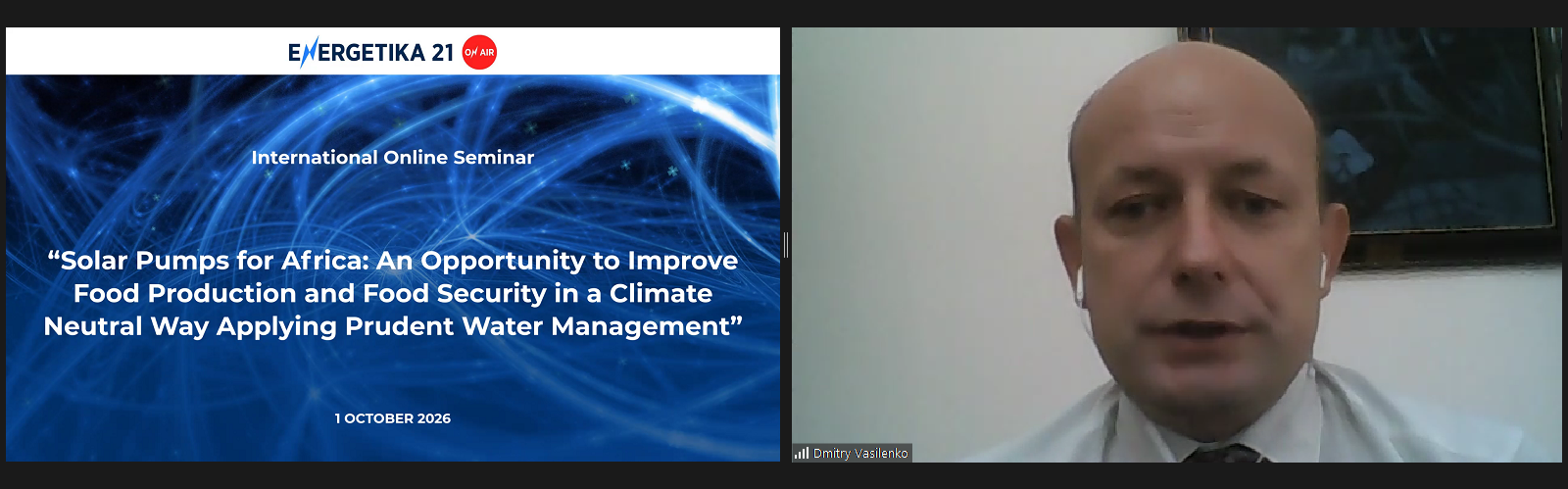
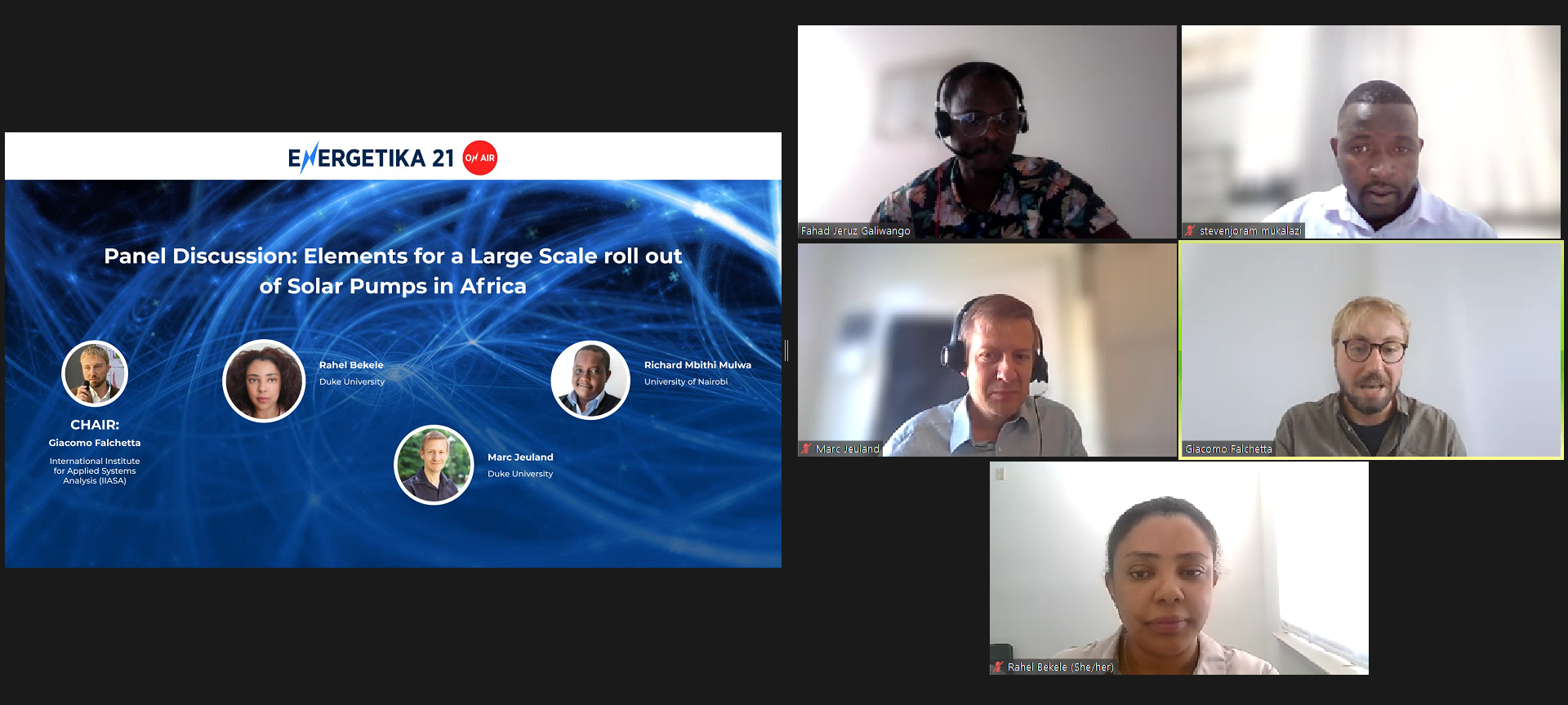
These topics will be discussed in the online seminar on 1 October 2026 with a view to elaborate on main milestones for a large roll out of solar cells in Africa by 2050.
The language of the seminar is English and Russian (simultaneous translation provided). Participation is free, to register, please, contact the Organising Committee via e-mail —energetika@unecon.ru.